A bob can mean a crisp chin-length line, a soft long bob or a graduated shape that sits close at the nape. The useful choice depends on the outline you want, how your hair dries and how often you want to maintain it. This guide compares the common shapes and the details worth agreeing on before the first cut.
What makes a haircut a bob?
A bob is defined by a deliberate perimeter around the head, not by one exact length. It may sit near the cheekbones, at the jaw, below the chin or brush the collarbone. The outline can be blunt, softly layered, angled or stacked at the back. Two reference photos can both show a bob and still ask for very different cuts, so the name is only a starting point.
Describe the back and front separately when discussing bob haircut styles. A classic shape may keep the ends close to one line; a graduated bob builds weight at the nape and can angle longer toward the face. A long bob, often called a lob, leaves more length to tuck behind an ear or tie back. These terms help, but they do not replace a clear description of the result you want.
The perimeter matters as much as the label. Ask whether the bottom edge should look dense and crisp or broken up with texture. A blunt bob keeps a strong line, while layers release some weight and let the ends move. Neither choice is automatically better. Think about whether you like a polished outline, softer separation or a shape that encourages your natural wave.
Bring a front, side and back reference if the shape depends on a precise nape or angle. A single front-facing image rarely reveals whether the back is stacked, rounded or level. Confirm where the shortest point will land and how much longer the front will remain. Those measurements reduce the chance of leaving with a silhouette you did not intend.
Which bob shape gives the finish you want?
A blunt bob keeps a strong, relatively even edge. It suits people who like a tidy outline and are comfortable with ends that sit together. On fine strands, a clear perimeter can look visually weightier, though it does not change the amount of hair. On dense hair, the stylist may remove internal bulk while preserving the outer line.
A graduated bob is shorter through the nape, with the back shaped to sit closer to the head. It can feel neat and lifted, but the nape needs to work with your growth pattern. If hair naturally flips outward at the collar, show the stylist how it behaves between washes. The same graduation can lie smooth on one person and kick up on another.
A long bob is a practical middle ground when you want a noticeable cut without losing every tying-back option. It can be one length, subtly angled or paired with face-framing layers. The collarbone is a useful checkpoint: hair that lands there may turn under or out depending on texture, shoulders and styling. Ask for the dry length you can expect.
A layered or textured bob has a softer edge and more separation between sections. This can help waves form, but short layers may also create extra width or need styling around the crown. If you wear your hair air-dried, say so before the cut. A bob that looks polished after a blowout may need a different balance when left to dry naturally.
How should you choose the length?
Use landmarks you can recognize in a mirror: cheekbone, jaw, chin, below the chin and collarbone. A chin-length bob can feel more structured than a lob. If you are unsure, begin below the chin; taking off more later is straightforward, while waiting for length to return takes time. Ask the stylist to mark the intended length before making the first cut.
Consider what you do with your hair on an ordinary morning. If you rely on a low ponytail for exercise or work, check whether the chosen length will reach the elastic. If you tuck one side behind an ear, test that movement before cutting. The shortest front section and nape shape can affect daily habits more than the haircut name.
Density and strand texture change how the same measurement sits. Dense hair can push outward when cut around the jaw, while fine hair may lie closer to the head. Wavy hair often springs up as it dries, so a wet length can look longer in the chair than it will at home. Ask how the stylist accounts for shrinkage and whether a dry check suits your texture.
Face shape can be one reference point, but it should not dictate a fixed rule. Think about the features you enjoy framing, your neckline preferences and whether you like hair around your face. A useful consultation compares the silhouette and upkeep of two lengths. It should not promise that one bob will correct or conceal a feature.
What changes on straight, wavy and curly hair?
Straight hair makes the perimeter easy to see, so unevenness or a strong angle reads clearly. A blunt bob may need more frequent shaping if you want its edge to stay sharp. If your strands are fine, discuss how much layering is necessary; too many short layers can leave the ends looking sparse, while a solid outline may better match your preference.
Waves bring movement and can make a bob feel less formal. The trade-off is that the shape may vary with humidity, product and drying method. Long layers can support movement without making the silhouette choppy. Tell the stylist whether you diffuse, air-dry or smooth your hair, and bring a photo of your usual texture rather than only a styled finish.
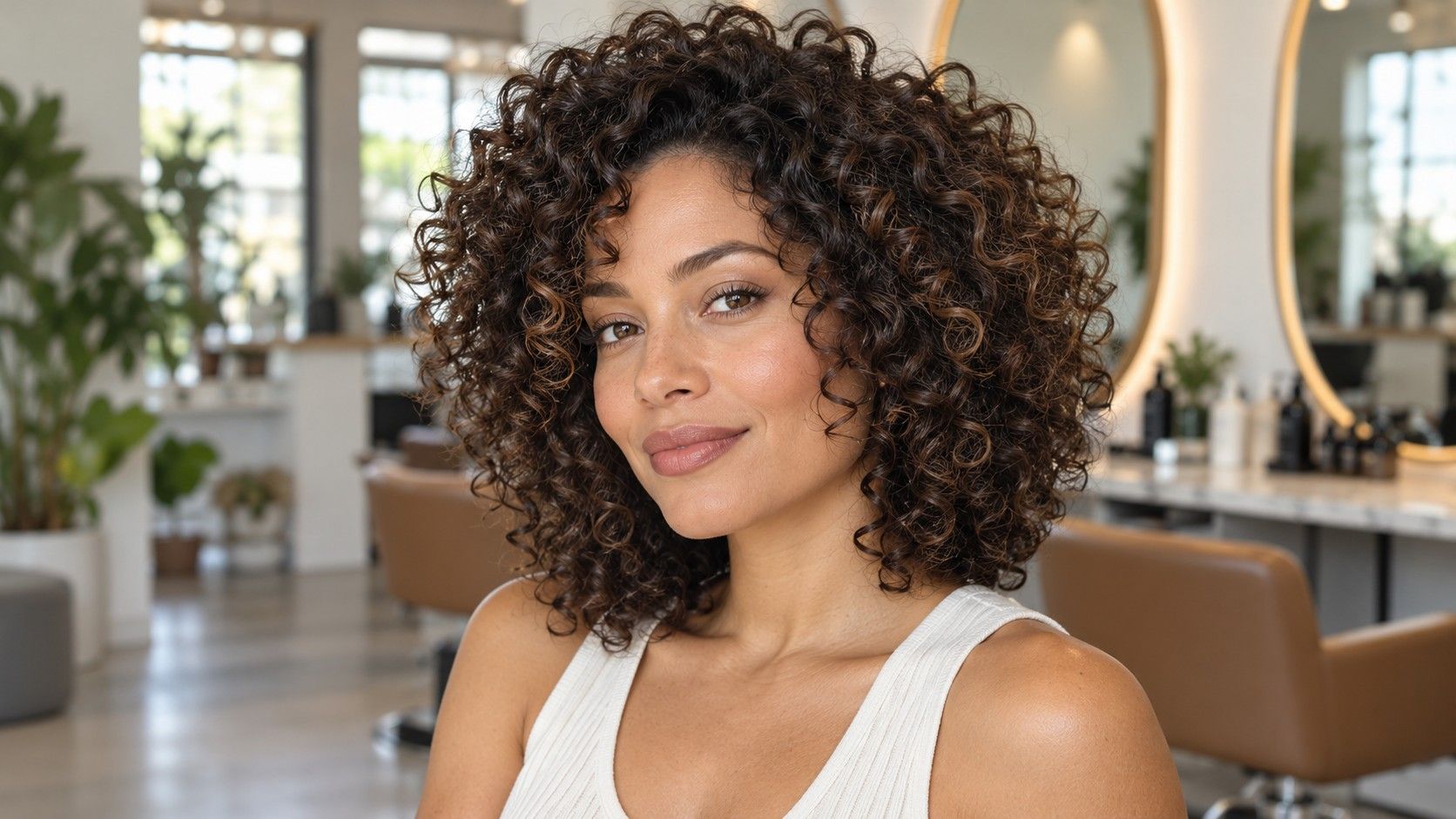
Curly hair can contract significantly as it dries. A chin-length wet cut may end up much shorter once the curl pattern returns, and a blunt line may not appear level when curls sit at different heights. A stylist experienced with curls can discuss dry shaping or a staged approach. Share how you part and style your curls so the cut works with those habits.
For thick hair, ask where bulk will be removed and whether the perimeter will stay full. Internal layers can reduce a heavy feel without visibly thinning every end, but the result depends on technique and curl pattern. For fine hair, retaining length and a clean edge may matter more. A generic request to “take out weight” can mean different things to different stylists.
How much upkeep and grow-out should you expect?
A precise, short bob usually shows growth sooner than a longer shape. The nape can lose its clean outline first, especially in a graduated cut, while a lob tends to tolerate more time between appointments. There is no universal trim interval: choose a schedule based on how sharp you want the line and how quickly your hair grows.
Ask what the cut may look like after six or eight weeks, not just on appointment day. A bob can grow into a pleasant shoulder-skimming shape, or the ends may begin to flip where they meet the collar. Your stylist can explain which parts will need reshaping and which will simply get longer. That forecast helps if you prefer fewer salon visits.
At home, the routine can be simple, but the shape may still need a little help. A round brush can bend the ends under or away from the face; a diffuser can encourage waves. Use heat protection with hot tools and avoid repeatedly passing over the same section. If you want a wash-and-go result, test your natural drying routine before choosing a very exact edge.
Before booking, save references that share the same length and back shape, then note what you want to change. Ask the stylist to confirm the jawline or collarbone landmark, shortest nape point, amount of layering and likely trim needs. The best bob is less about a trendy name than an outline that still feels workable on an ordinary Tuesday.