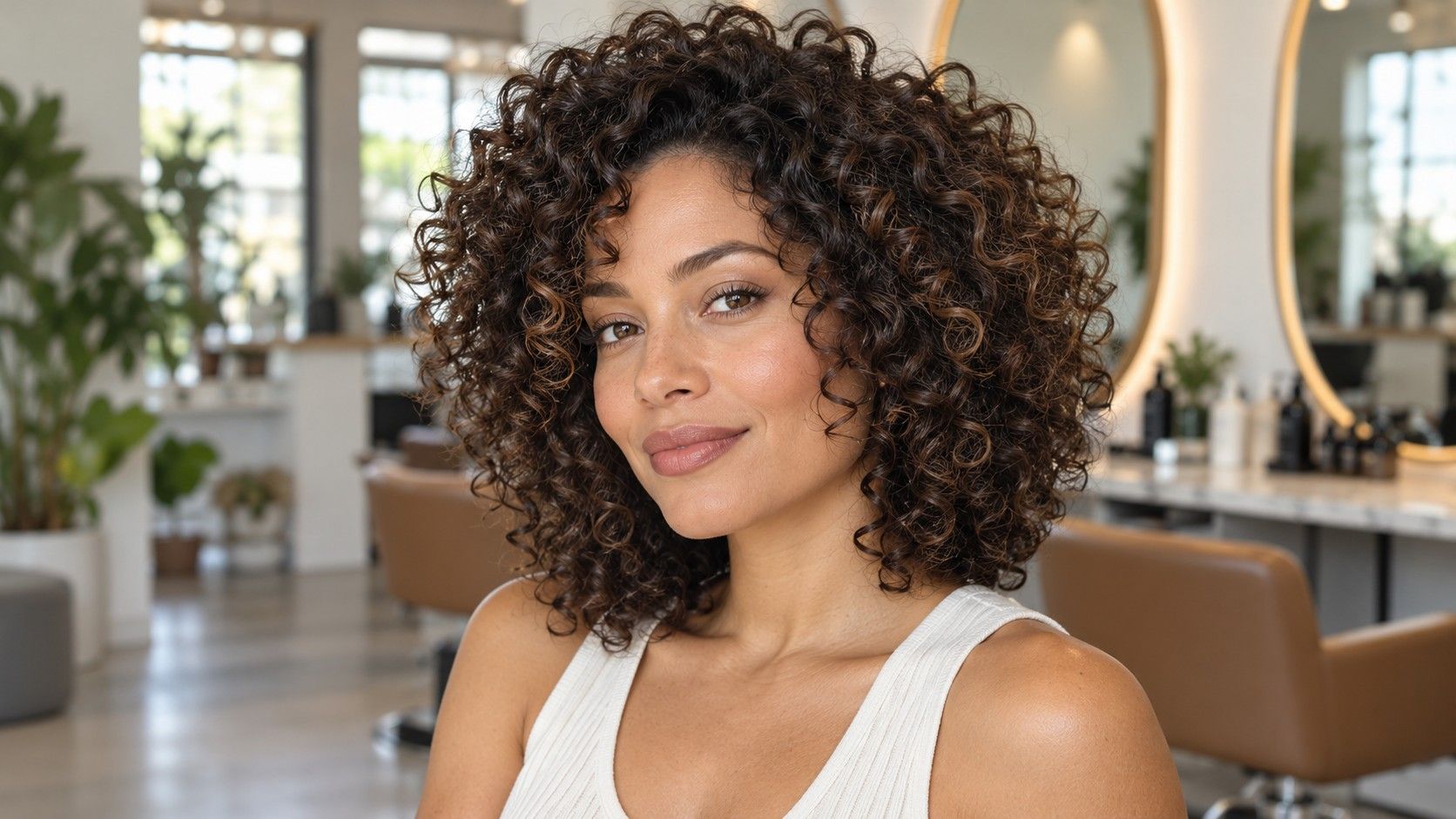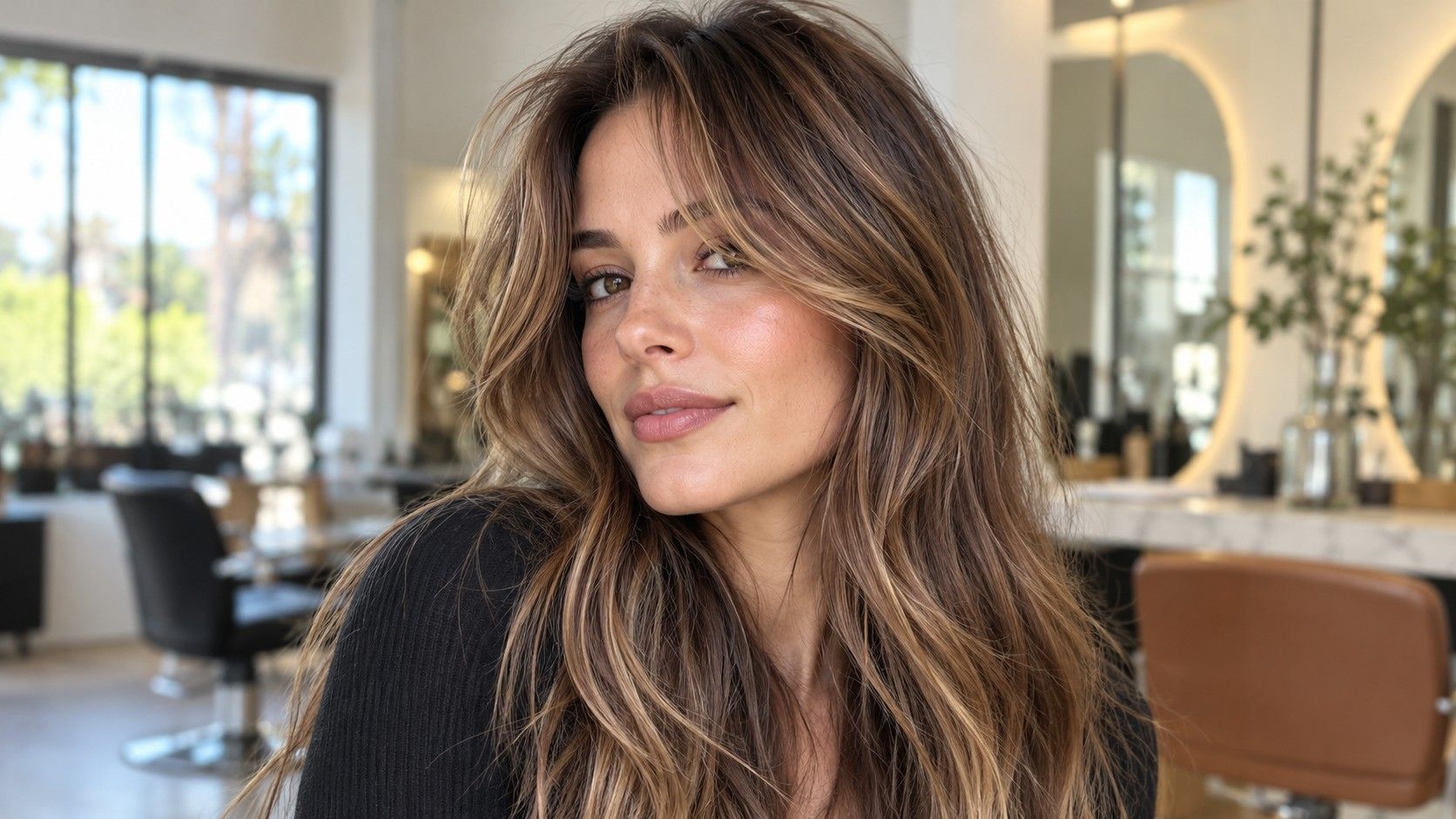
Curtain bangs can be light and easy to sweep aside, or thick enough to feel like a full fringe. Their success depends on length, hairline and the way you style your front pieces on an ordinary morning. Here is how to plan the cut, shape it safely and let it grow without guesswork.
What happens during a curtain fringe haircut?
Curtain bangs part near the middle and open toward the sides, with the shortest pieces usually near the center and longer pieces blending into face-framing layers. The shape can be airy or substantial, eyebrow-skimming or long enough to reach the cheekbones. There is no single standard length, so choose a reference that shows both the front and side clearly.
Tell your stylist how you normally part your hair and whether you want the fringe to meet in the middle or sweep to one side. A strong cowlick can push the center apart or lift one panel. The stylist may choose a longer starting point, adjust the sectioning or leave extra length where the hairline resists. Ask to see the proposed shortest point before the cut.
The amount of hair taken into the fringe changes the result. A narrow section can create a light veil that blends readily; a deeper section gives more coverage and can feel heavier at the temples. If you wear glasses, bring them to the appointment. The frames can affect where the side pieces land and whether they fall into your eyes.
Curtain bangs are often described as flexible, but they still need to suit your texture and routine. Hair that separates easily may need little shaping; a stubborn growth pattern may require daily direction. For a first try, ask for a conservative version that can be shortened after you have lived with it for a week or two.
How long should the center and sides be?
A shorter center creates a clear fringe and frames the eyes, but asks for more regular styling and trims. A longer center that reaches the cheekbone or below offers a softer start and is easier to pin back. When uncertain, preserve length at the first appointment. Salon mirrors show a controlled finish; home mirrors and movement reveal more.
Consider forehead height, brow position and how your hair falls at the hairline, without treating any one feature as a problem to fix. The practical question is where the hair will sit when dry and whether that position feels comfortable. Ask the stylist to check the fringe while you stand and move your head, since a section may shift when you move.
Curly and wavy textures can spring upward after cutting. A stylist may cut them dry or leave additional length to account for their natural pattern. Straight strands show the line more clearly, while fine strands can separate into smaller pieces. Show your usual wash-day texture and explain whether you want the fringe smooth or natural.
If you often wear a side part, a centered curtain may take time to train. Start by drying the roots in the direction you want them to sit, then divide the fringe where it naturally opens. Do not force a part that creates a persistent gap. Your stylist can adjust the shape to work with the hairline you actually have.
A simple routine for styling curtain bangs
Style the fringe while it is damp, before the roots dry into their preferred direction. Use a nozzle attachment on a dryer and move the hair from side to side across the forehead. This cross-drying approach can soften a stubborn part and keep one side from setting flat. Keep the dryer moving at a comfortable, moderate heat setting.
For a rounded finish, wrap each side around a small or medium round brush and direct it away from the face. Let the section cool before releasing it; hot hair can lose its bend quickly. A round brush is useful, not mandatory. A flat brush or fingers can give a looser result if you want less curve and more separation.
Apply heat protectant when using a dryer or hot tool, and avoid placing a high-heat iron close to the forehead. Short pieces heat quickly. Use a small amount of lightweight product only if needed, since heavy cream or oil can make fringe clump at the roots. Refreshing the fringe alone may be easier than restyling the whole head.
Humidity can loosen a smooth bend or encourage waves to return. Rather than adding heat repeatedly, let the fringe reset with a light mist of water, then dry the roots again. A small clip can hold the part while hair cools. Test the routine on an ordinary morning before deciding that the haircut itself is difficult.
What if your hair is wavy, curly or has a cowlick?
A cowlick at the front can split the fringe, lift it or push one side forward. Ask the stylist to observe the hairline dry and untouched before shampooing. Growth direction can matter more than a reference photo. A longer, parted shape may cooperate better than a short straight line, though the best choice depends on the exact pattern.
Wavy hair can make curtain bangs look relaxed, but the two sides may not form matching curves. Avoid judging them only when freshly blow-dried if you rarely use a dryer. Share how the wave behaves after air-drying and whether you are comfortable shaping a few front pieces most days. For curly hair, allow for shrinkage and consider a curl-aware stylist.
Density matters too. A thick fringe can feel warm and take longer to dry, while a very thin section may disappear into the sides. The stylist can vary section depth and layering instead of simply cutting more hair shorter. Ask how the bangs blend into the haircut when tucked behind the ears or pinned back.
If your hairline is unpredictable, keep the first version long enough to sweep aside. Try it through a wash cycle, a humid day and your usual exercise routine before requesting a shorter trim. This gives you evidence about the shape rather than relying on one salon finish. A useful fringe is one you can manage with the tools and time you have.
How do curtain bangs grow out?
As the center lengthens, it may fall into your eyes before reaching the cheekbones. A small trim can restore visibility, but specify whether you want the center shortened or only the side blend cleaned up. Many people stretch appointments by pinning or sweeping the fringe aside. Ask your stylist to show a parting that makes this transition comfortable.
The grow-out often moves through eyebrow, eye-level, cheekbone and longer face-framing stages. The awkward point varies with starting length and growth rate. Keeping the sides connected to the haircut helps the fringe look intentional as it lengthens. A blunt chop across the front can interrupt that blend if your goal is longer layers.
Trim frequency depends on the shortest point and how much eye clearance you want. If trimming at home, use proper haircutting scissors and remove very little at a time; household scissors can bend hair and leave a rough edge. It is easy to take off more than planned when hair is pulled taut or wet. Salon maintenance is safer for a curved shape.
Before the first cut, agree on a fallback plan: where the bangs can be tucked, how they will blend and what to do if you prefer them longer. Bring references with similar texture, not only a polished blowout. That conversation makes curtain bangs easier to live with, whether you style them daily or let them become longer layers.