Thick hair can mean a high number of strands, a large strand diameter, or both. Those details change how a haircut behaves: dense fine hair may feel heavy without being coarse, while fewer coarse strands can still create a broad, substantial shape. The best hairstyles for thick hair make decisions about weight and outline together. Before asking for “less bulk,” decide where you want the hair to sit, how much movement you like and how much time you can give it on a normal wash day.
Work out what feels heavy
Notice where the hair becomes difficult to manage. Is the nape warm and crowded? Do the ends form a wide block? Does the crown feel flat while the sides expand? Each problem points to a different cutting choice. Bulk removal at the nape may make a bob more comfortable, while long layers can distribute weight through the length. Removing too much from the sides, however, can make the outline wider once shorter pieces spring out.
Density and strand texture are separate observations. Run a hand through the hair and notice whether the main challenge is the sheer amount of it or the stiffness and diameter of individual strands. Natural texture also changes the result: straight dense hair may fall in a broad, smooth sheet, while wavy or curly thick hair expands as it dries. Bring a photo taken after your usual wash routine, because a freshly ironed style hides much of that behavior.
Think through the practical scenes as well. If the hair takes a long time to dry, a cut that removes internal weight may reduce the time spent holding a dryer, but it will not guarantee a quick wash day. If you often wear a bun, a heavily layered cut can leave short pieces loose around the nape. These are useful details to tell the stylist before deciding between a blunt bob, long layers or a shorter shape.
Choose a shape that controls the weight line
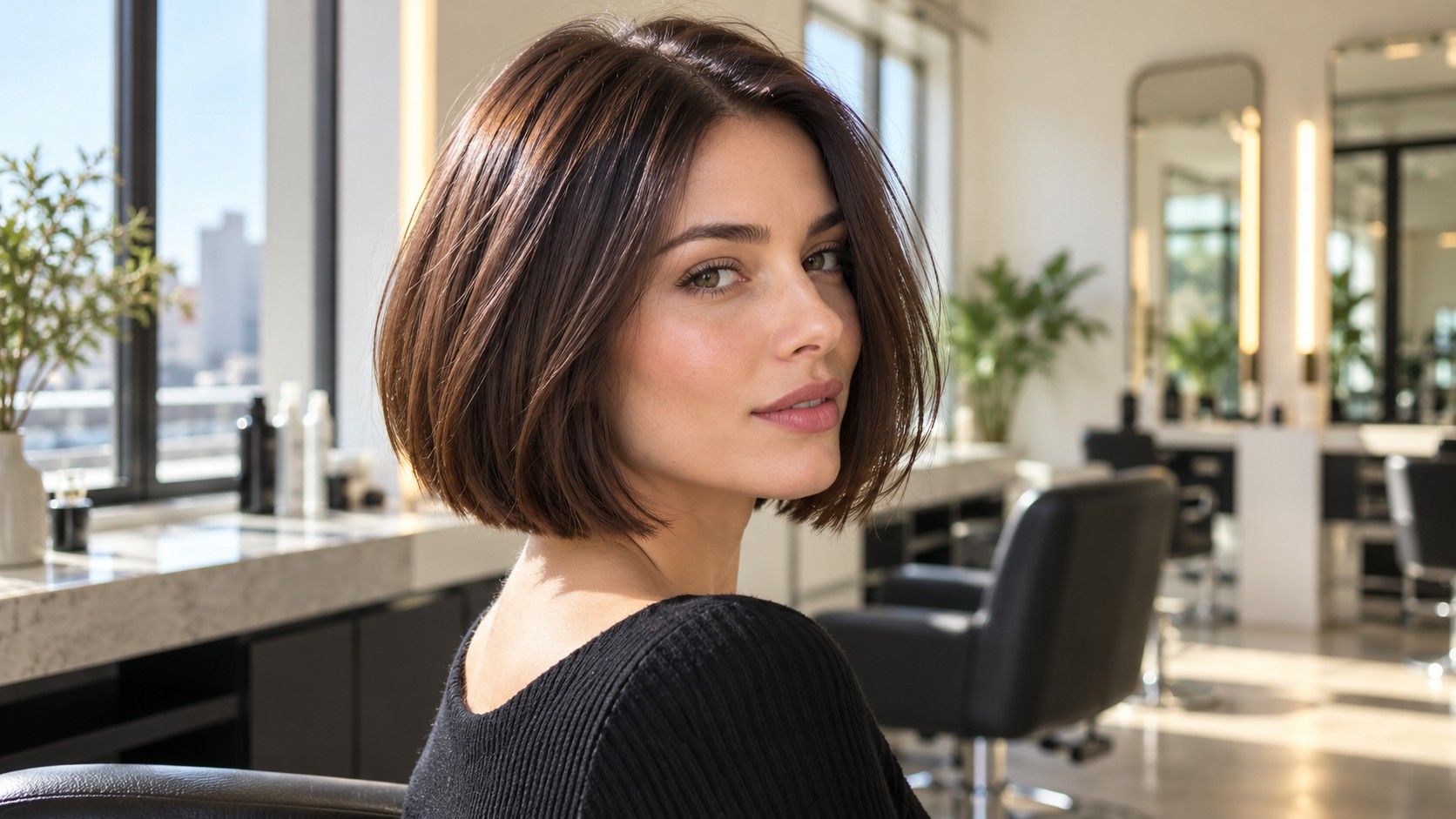
A weight line is the place where the outline looks fullest. In a blunt bob, that line sits near the ends and gives the haircut a clear edge. The shape can be striking on thick hair, though a one-length cut may feel dense near the neck. A slight angle or internal removal can reduce that sensation while keeping the outside perimeter strong. Ask how the back will sit against your collar and whether the sides will tuck behind your ears.
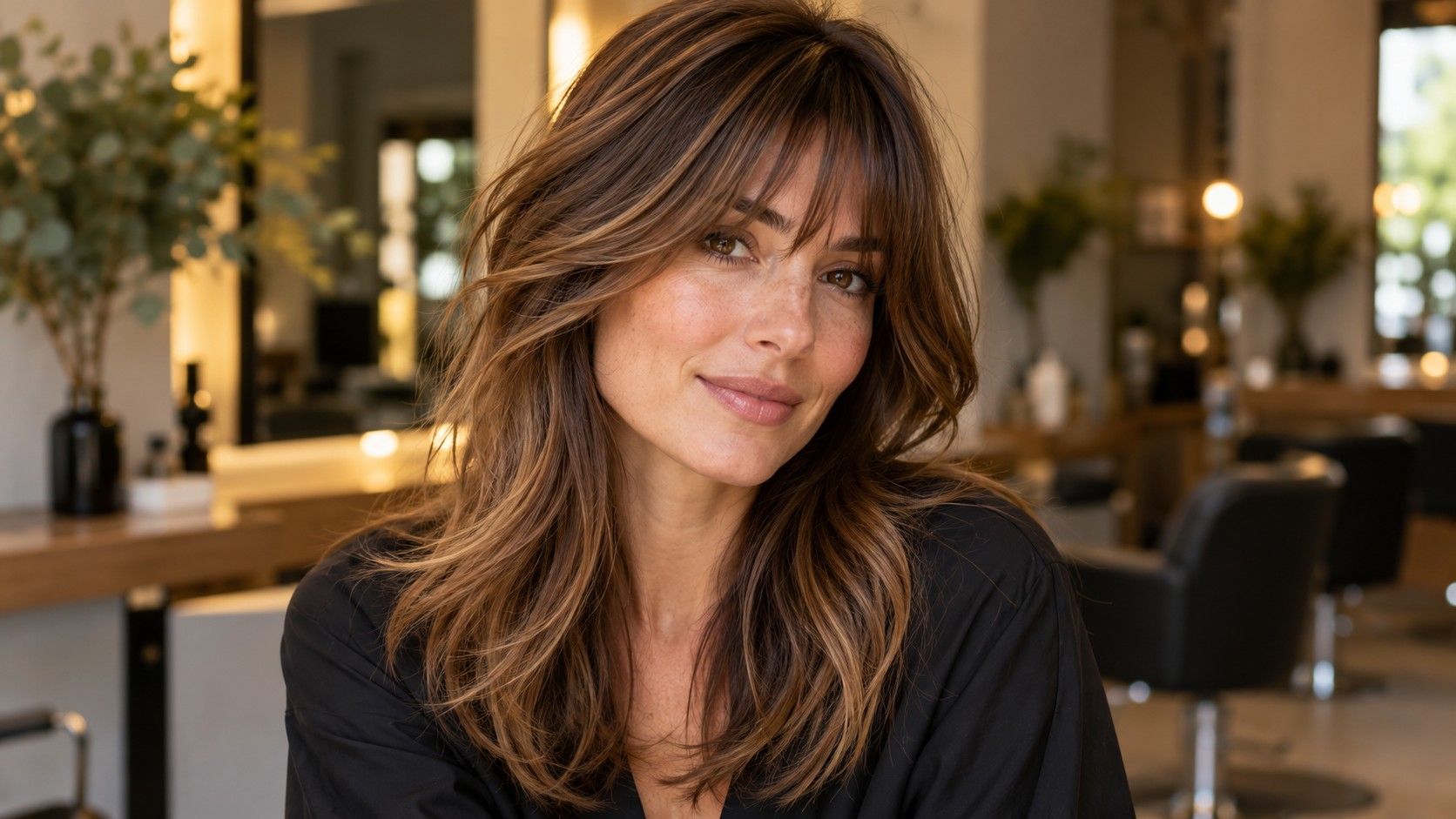
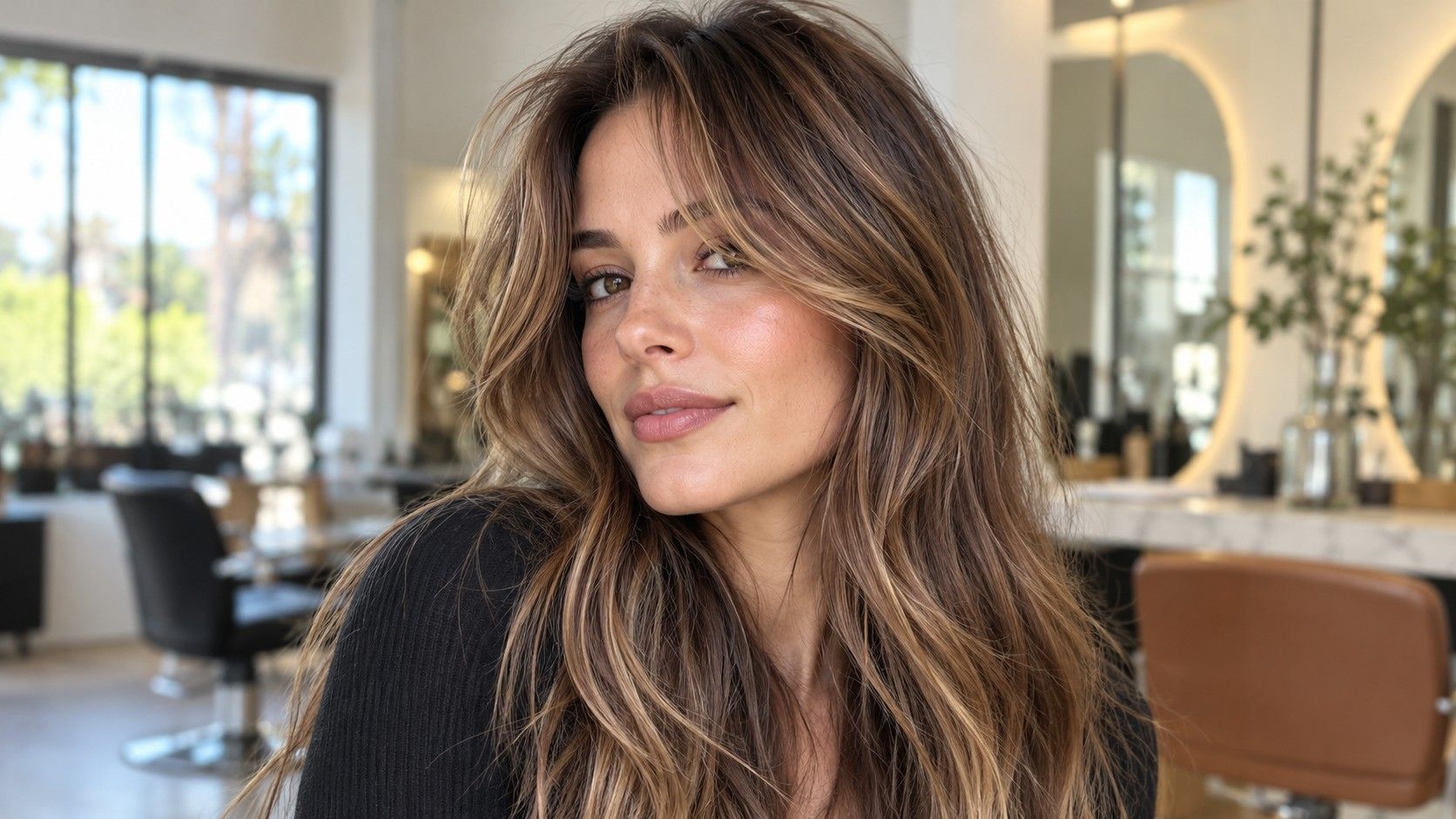
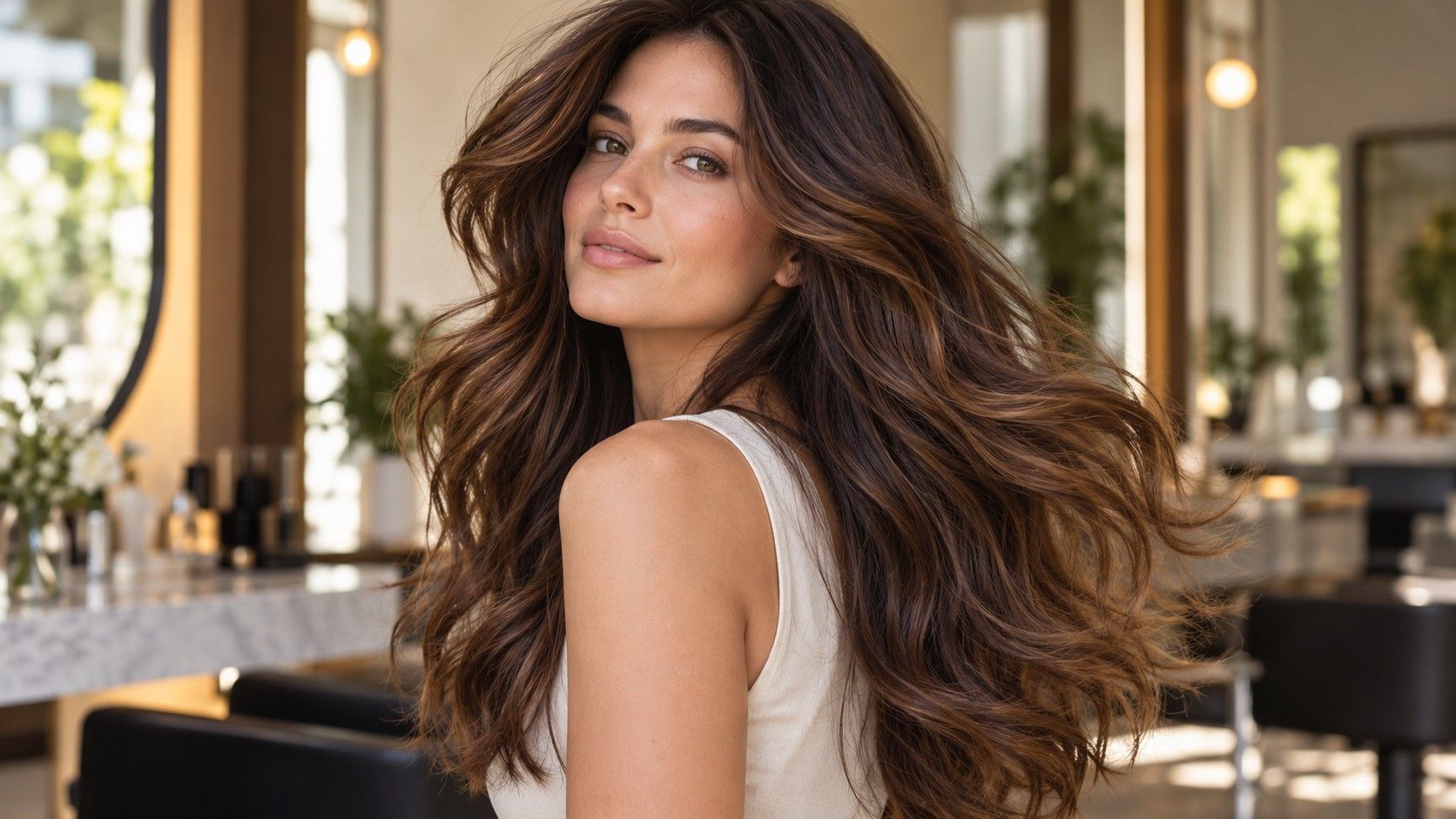
For longer hair, long layers can break up a heavy curtain and make the ends move without removing the whole outline. They work best when the shortest layers are chosen with the natural texture in mind. On straight hair, a few long layers may be enough to create swing. On waves or curls, they can help the shape round out, but the finished length may shrink and the sides can widen. The stylist should explain the expected dry shape before making a large change.
A lob or shoulder-length cut often provides a useful middle ground: shorter than a long mane, with enough length to tie back. Thick hair may push outward around the shoulders, so the exact landing point matters. Some people prefer a length above the shoulders to avoid the collar, while others like the extra movement of a longer perimeter. If you exercise or wear a uniform with a collar, test the likely length against those routines rather than choosing from a front-facing photo alone.
| Cut to consider | What it can change | Detail to clarify |
|---|---|---|
| Blunt bob | Creates a defined, substantial perimeter | How will the back feel at the nape? |
| Long layers | Distributes weight through longer hair | Will the ends keep enough visual density? |
| Shoulder-length lob | Reduces length while keeping tie-back options | Will the ends rest on the collar? |
| Undercut detail | Reduces hidden weight in a specific area | How visible is it when the hair is tied up? |
Remove bulk without losing the outline
Layers for thick hair can create movement, but “take weight out” is too broad to guide a good cut. Ask where the weight will be removed and what the perimeter will look like afterward. Internal layering keeps the exterior line more intact; visible layers change the silhouette and may leave shorter sections that need to be styled. Neither method is automatically right. The desired result could be less weight at the nape, more movement at the ends or a narrower profile around the cheeks.
Thinning shears can help in particular situations, yet repeated thinning through the same areas may leave short hairs that stand out, especially when hair is wavy or humid weather raises the surface. If you have had a past cut that became puffy after a few weeks, show the stylist where that happened. They can decide whether to preserve length, change the angle of the layers or use a different method. It is reasonable to ask for a small adjustment first and check the dry result before removing more.
An undercut can reduce weight beneath the visible layers, particularly around the nape or lower sides. It also changes what happens when you tie the hair up, and it needs upkeep if you want the shortened section to remain clean. If you usually wear your hair down, it may remain hidden; if you wear a high ponytail, it could be visible. Ask the stylist to show where the undercut would begin and how it grows out.
Plan for texture, drying and daily styling
Thick hair often takes longer to dry because there is more hair to move air through, not because every strand is coarse. Dividing the hair into sections can make a blow-dry more even and reduce repeated passes over already dry areas. A microfiber towel or cotton T-shirt can blot excess water without rough scrubbing. If you air-dry, the shape may settle differently than it does after a brush blowout, so choose a cut that still works with your usual method.
Product should match the texture and the amount of hair. A smoothing cream can help control surface frizz on some heads but may leave fine, dense hair limp. A light gel may support waves or curls without requiring a brush finish. Start with a modest amount and apply it where needed; layering several rich products can make the hair feel coated and prolong drying. No product can replace a shape that puts the weight in the right place.
Humidity and rain can change the outline, especially when the natural texture is wavy. A haircut that depends on a perfectly smooth finish every day may feel demanding if you prefer to wash and go. Take a picture of your natural texture and ask the stylist to cut for that version. If you sometimes straighten the hair, mention it, but make sure the everyday shape also works when you leave the texture alone.
Clarify the plan before the first cut
Bring two or three reference images and point out the exact element you like: the perimeter, the length at the collarbone, a rounded crown or the weight removed from the nape. Ask what the cut will look like from the back, how it will behave when dry and what styling it assumes. A good consultation makes trade-offs explicit. A lighter shape may mean more visible layers; a fuller edge may leave more weight; a shorter length may dry faster but need more frequent shaping.
Tell the stylist what cannot change in your week. If you must tie your hair back, test how the layers will behave in a ponytail. If you rarely use heat, request a shape that works with air-drying or your natural texture. If drying time is the concern, ask whether reducing length or internal bulk will make a meaningful difference for your specific density. There is no universal formula for thick hair, and effortless styling is not a realistic promise. A thoughtful cut can make the weight easier to handle while keeping the outline recognizable as yours.