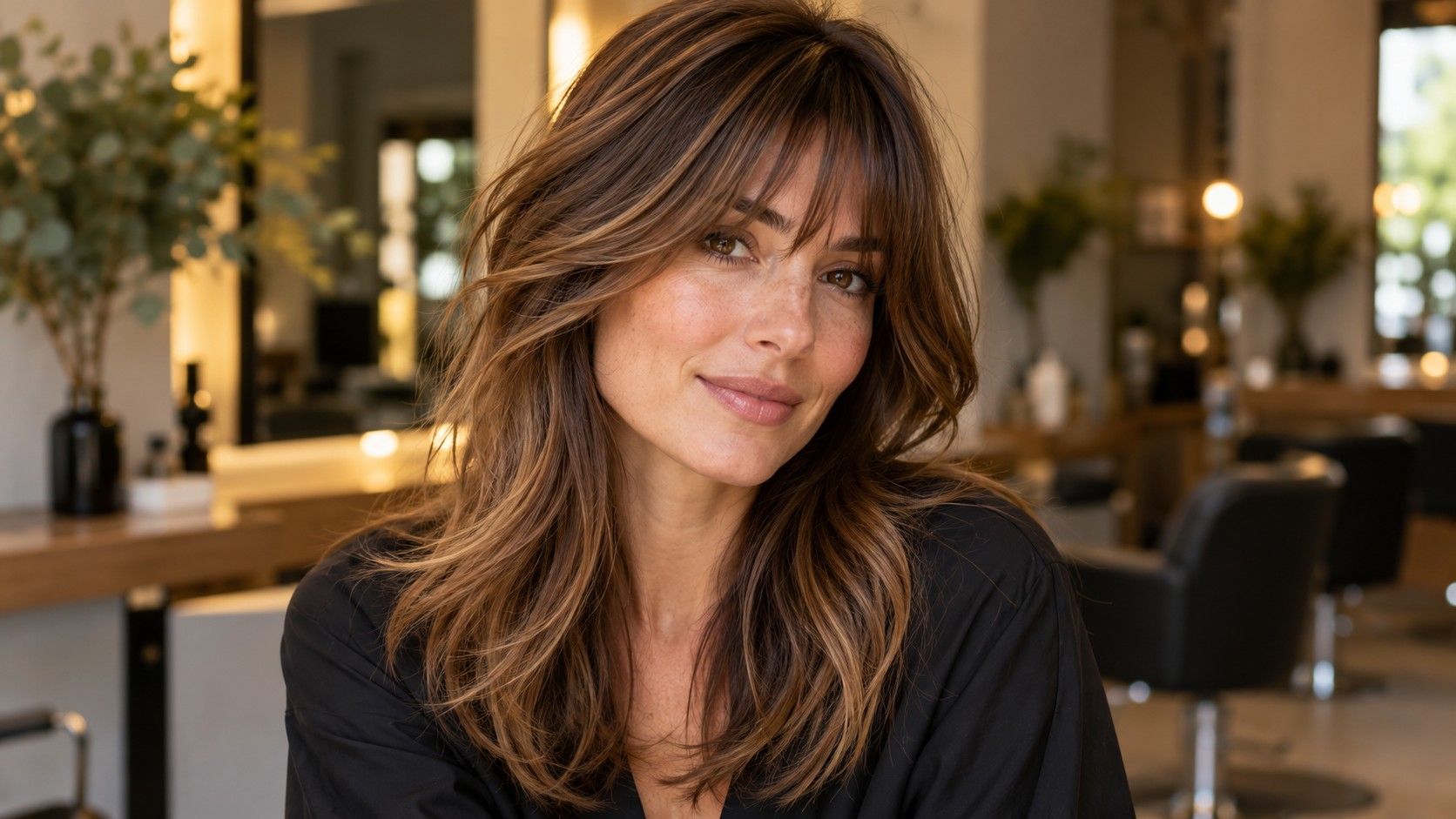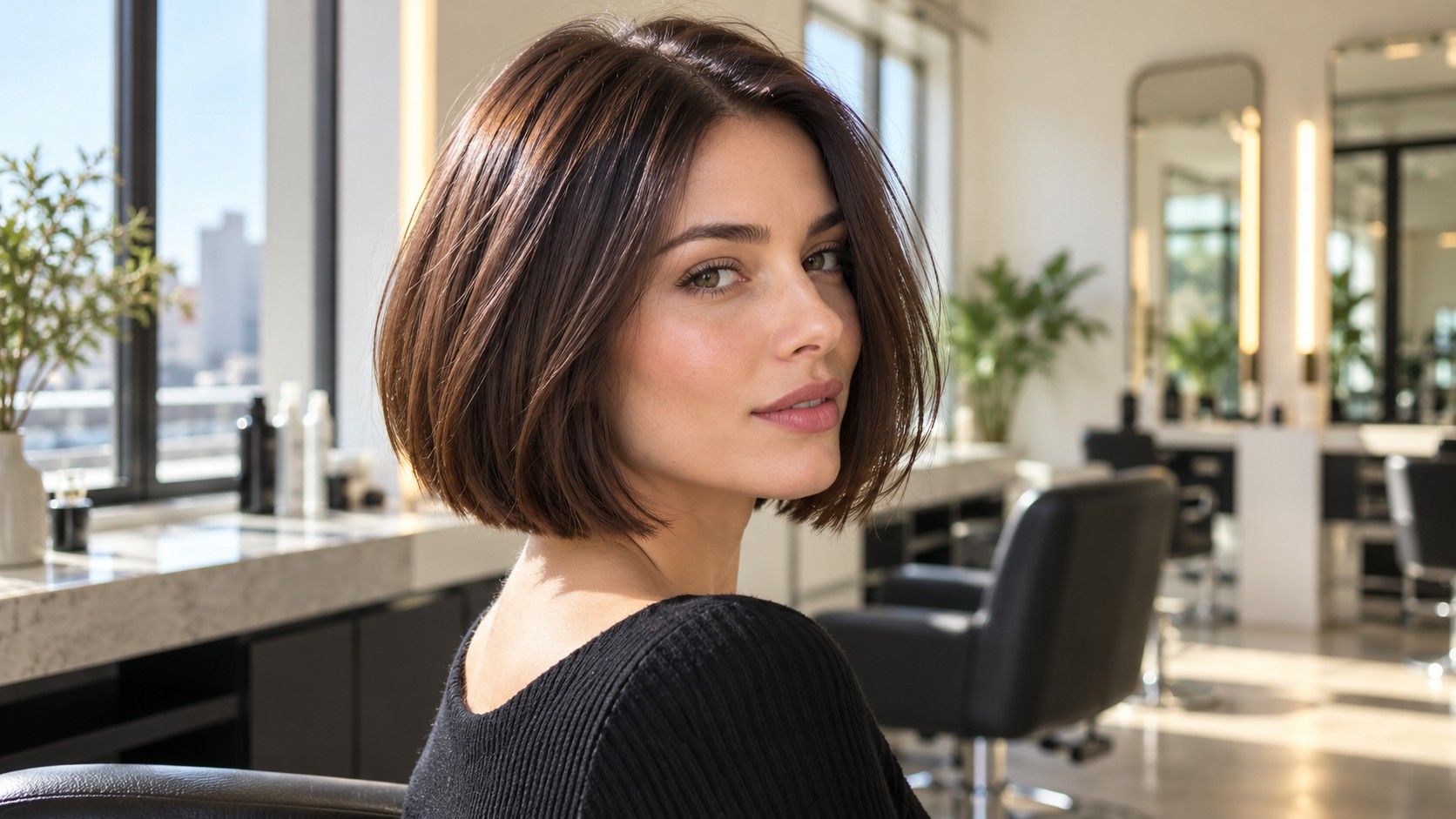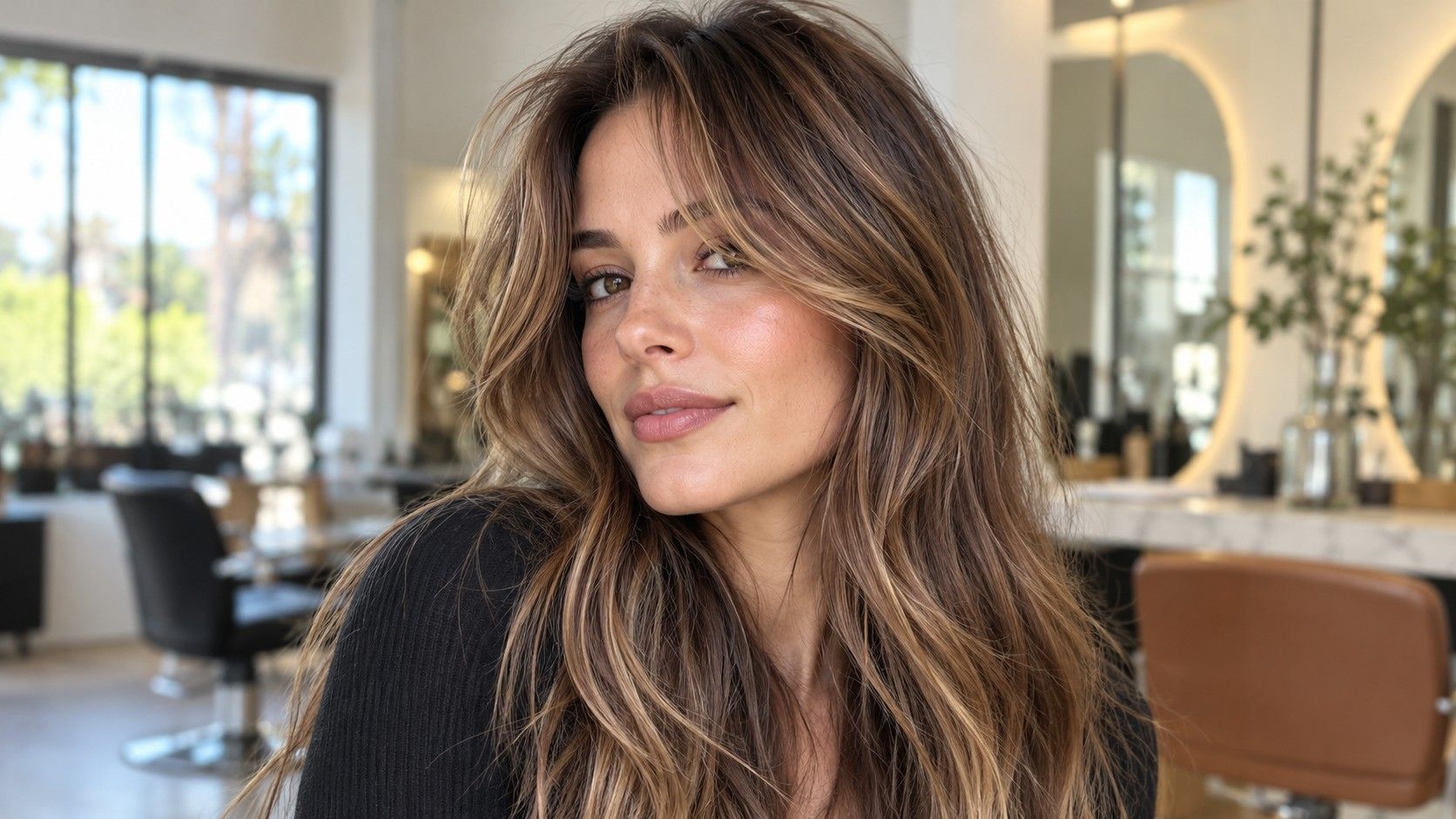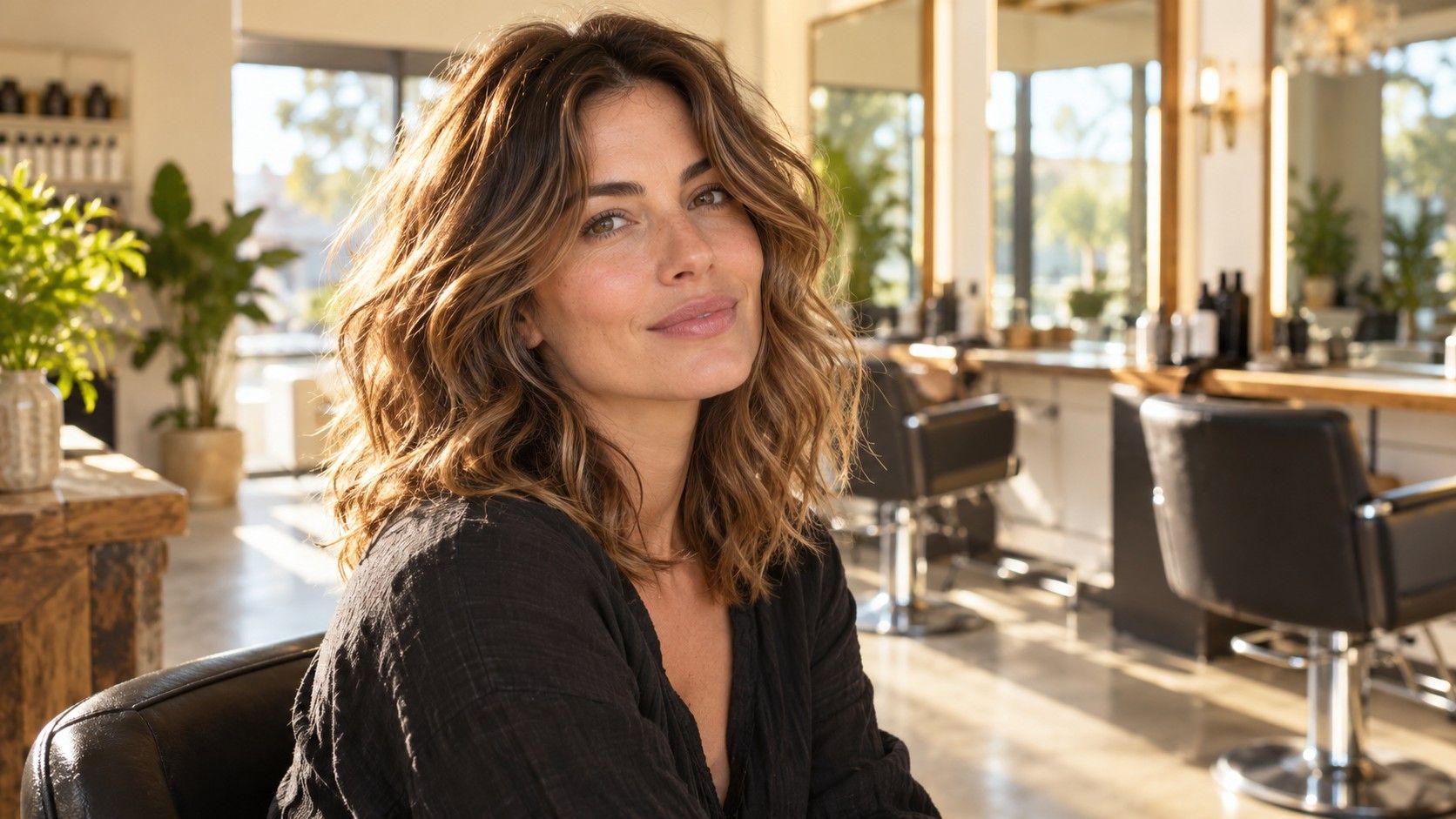
Wavy hair sits between straight and curly, but that description covers a wide range of behavior. Some waves form broad bends only at the ends; others start near the crown and shrink when they dry. A cut that looks balanced while wet can become wider, shorter or flatter by afternoon. When comparing hairstyles for wavy hair, talk about the finished dry shape and the routine you use most often. That is more useful than choosing a cut by a wave label alone.
Watch how the wave pattern settles
Before a salon visit, look at your hair after a normal wash and dry. Does it form consistent wave clumps, or do some sections stay straighter? Is the crown smooth while the lower half bends? Does humidity turn the outline wider? These details influence where layers should start. A stylist who sees only a brushed-out blowout may miss the places where your natural texture lifts or separates.
Wave clumping is the way neighboring strands group together as they dry. If you brush the hair once it is fully dry, those groups may separate and create a softer, fuller surface. If you prefer defined waves, you might use a leave-in product and scrunch while wet. Neither finish is more correct; the cut should work with the one you actually wear. Bring a photo from a typical day and explain what you did to get that result.
Density, strand diameter and the wave pattern all contribute to volume. Fine, dense hair may lose its crown lift under a heavy cream, while coarser strands may need more conditioning to avoid rough ends. Humidity can loosen definition or increase expansion. A good consultation asks how your hair behaves, rather than assuming every wave type responds to the same layers or products.
Choose length and layers for the outline you want
Long layers can add movement without taking away the overall length. They are often a comfortable starting point if you want to keep your hair below the shoulders. But if the shortest layers begin too high, the sides may expand and form a triangle silhouette: narrow at the crown and wide through the lower half. A rounded perimeter, carefully placed layers and enough weight near the ends can help balance that outline.
A collarbone-length lob gives waves room to bend while keeping enough length to tie back. The ends may flick outward where they touch a jacket or shirt, so consider your usual collars and whether you tuck the hair behind your ears. A shorter bob can make waves look fuller and more defined, but the dry length may sit higher than expected. Show the stylist where you want the waves to land when they are dry, not only where the wet hair reaches.
Face-framing layers can make a longer cut feel lighter, though they may require a quick styling step if the front pieces dry straighter than the rest. A soft shag places more layers through the crown and sides, creating a casual, separated effect. It can work well with an active wave pattern, but it asks you to be comfortable with shorter pieces around the face. If you want to put the hair in a ponytail, ask whether those layers will stay secured.
| Option | Possible effect | Dry-shape check |
|---|---|---|
| Long layers | Movement while retaining length | Will the ends keep a clear outline? |
| Collarbone lob | A manageable middle length | Do waves flip at the shoulders or collar? |
| Short bob | More visible bend and a lighter feel | Where will the curls land after drying? |
| Soft shag | Lift and separation through the crown | Are you comfortable styling shorter front pieces? |
Pick a styling method you will repeat
Air-drying is convenient when your hair dries evenly and you have time to let it set. Blot with a soft towel, apply a small amount of product to damp hair if you use one, then scrunch gently and leave the wave clumps alone. Repeated touching during the drying stage can loosen the pattern or create frizz. If the roots stay damp long after the ends, a few minutes of low-heat drying at the scalp may make the routine more comfortable.
A diffuser can help dry waves while limiting the direct force of airflow. Use low or moderate heat and cup sections without crushing them, then avoid moving the hair too much until it is mostly dry. The result will not be identical to air-drying: a diffuser can add lift and encourage the wave to form, while air-drying may leave a softer, looser finish. Test the method before a day when you need a specific result.
Product weight is a common source of disappointment. A rich curl cream may define thicker waves but flatten finer hair near the crown. Mousse or a light gel can offer hold without the same coating feel, though the right amount varies. Begin with a small quantity, add it to wet hair and assess after it has fully dried. If the wave is stiff, scrunching the dry cast gently may soften it. If the hair looks greasy or limp, reduce the amount rather than adding more layers of product.
Avoid a triangle shape without removing all the weight
The triangle effect often comes from a combination of a narrower crown, a wide lower half and a heavy perimeter. Layers can redistribute the volume, but removing too much from the ends may create a thin, frayed outline. Ask the stylist to explain where the short layers will sit and how the silhouette will look from the side. A few well-placed layers can be more useful than thinning every section.
Also consider where your natural part falls. A center part can emphasize symmetry and show whether the crown has enough lift; a side part shifts volume and may change how one side waves. Cowlicks and growth direction can make fringe or short crown layers behave unpredictably. If you are considering bangs, try styling a front section forward at home first and see how often it needs attention.
Bring a picture of your waves at their widest as well as a picture of the finish you like. The first shows the stylist how much the shape expands; the second makes your goal clear. Say whether you want a compact outline or prefer volume, even if that means a broader profile. The phrase “less triangle” is easier to interpret when the stylist knows which part you want to narrow.
Maintain the cut through normal weeks
Waves may look different as a haircut grows out because the layers and perimeter gain length at different rates. There is no universal trim interval. A short, shaped bob may benefit from earlier refinement than long layers, but your texture, pace of growth and tolerance for a softer outline matter. Ask how the cut is expected to change over time and what signs suggest it is ready for a refresh.
Between wash days, dampen the sections that have lost their bend and reshape them with your hands. Adding a little water can reactivate some styling products, while piling on more product can leave the hair heavy. A loose braid overnight may create a different wave rather than restoring the original one, so test it before relying on it. Keep the routine simple enough that you will actually use it.
For the appointment, bring clear pictures and describe the ordinary version of your hair: air-dried, diffused, brushed or tied back. Ask the stylist to cut with the natural wave in view, estimate the dry length and explain how the perimeter will sit around your shoulders. Wavy hair does not need one prescribed product or one signature shape. A good cut respects the way your waves settle and leaves you with styling choices that fit your mornings.