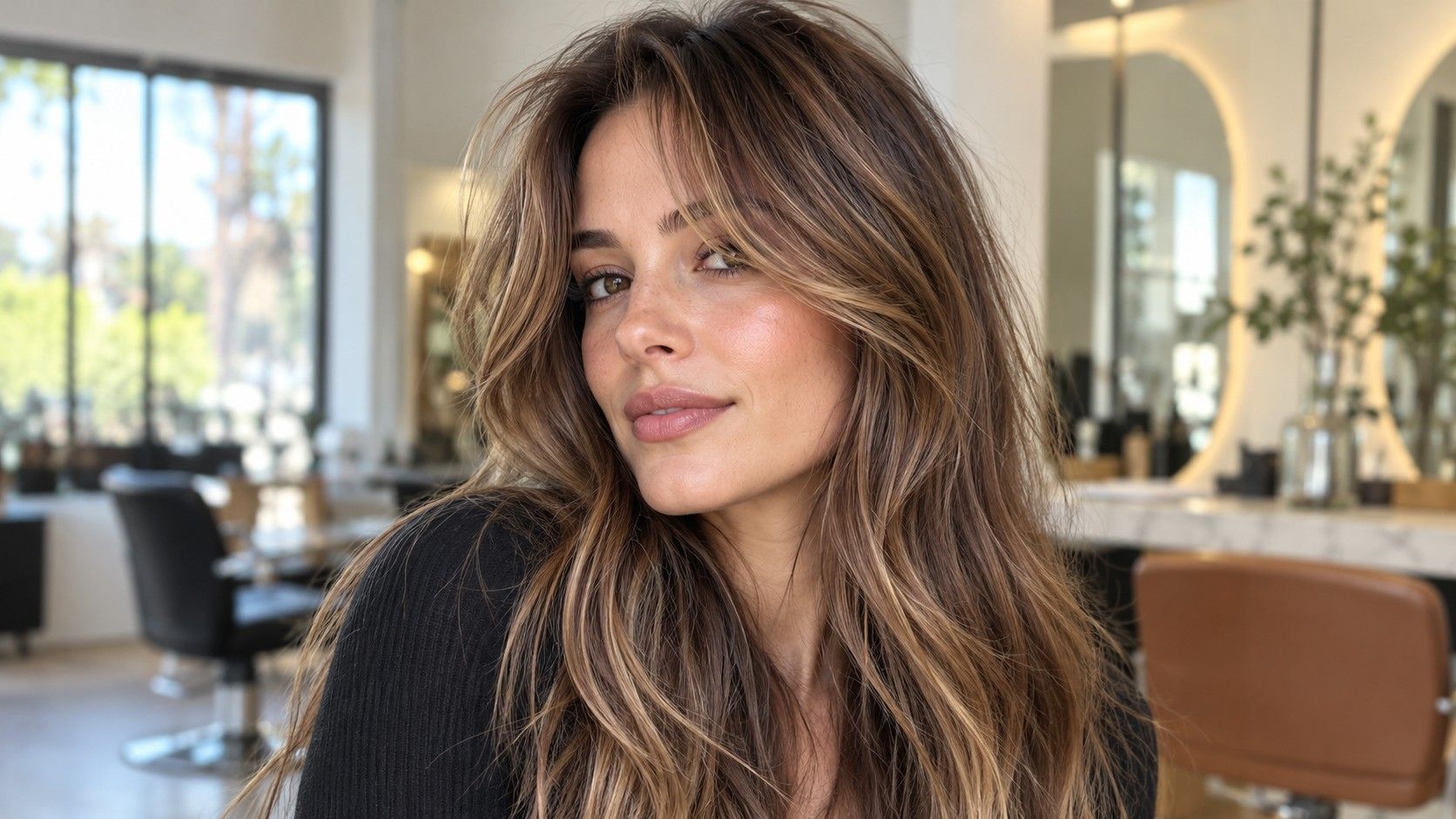
A low-maintenance haircut is one that asks for a manageable amount of effort on an ordinary day, then grows out in a way you can live with. It does not mean that a cut needs no styling or never needs a trim. The useful comparison is between your real week and the work a style requires: how often you wash, how long your hair takes to dry, whether you use heat and how frequently you want to return to the salon.
Define “low maintenance” for your mornings
Start with the time you can reliably spend, not the time you have on a rare relaxed morning. If you have ten minutes from shower to door, a cut that needs a round-brush blowout and a hot tool is not easy to maintain for you, even if it looks effortless in a photo. If you enjoy styling on wash days but want the rest of the week to be simple, that calls for a different plan. The stylist needs to know which version of easy you mean.
Think through your wash frequency and drying conditions. Someone who washes every day may want a shape that falls into place when damp; someone who washes twice a week may value a fringe that can be refreshed quickly. Long, dense hair can take a while to dry even when no styling tool is involved. A shorter cut may reduce drying time but might need more frequent shaping to keep its outline crisp.
Write down three non-negotiables before the consultation. Examples might be “I need a ponytail,” “I air-dry most days,” or “I will not restyle bangs every morning.” Then show photographs that reflect your natural texture. A polished image can still be useful, but point to the length, layers or perimeter you like rather than assuming the photographed finish will happen without effort.
Match the cut to your natural texture
Straight hair can work well with a clean bob, a blunt shoulder-length cut or long, mostly one-length hair. The simpler the outline, the fewer layers may need daily direction. A sharp bob can look tidy as it dries, but it may call for more frequent salon visits if you want the edge to stay exact. Longer hair often offers flexibility to tie it back, though the ends may tangle and drying can take longer.
Wavy hair may need only a little scrunching and air-drying when the cut keeps the wave pattern balanced. Long layers can let the texture move, while a soft lob gives the waves room to bend without sitting heavily on the shoulders. A fringe or very short face-framing layer may need separate attention if it dries straighter than the rest. Ask the stylist to show what the shape looks like without a full blowout.
Curly hair can be low effort when the cut respects shrinkage and the wash routine is already comfortable. A rounded shape or well-placed layers may help curls sit evenly, but the result depends on how you define and dry them. If you wash, condition, apply product and diffuse, include that time in your definition of maintenance. A wash-and-go style can be a good fit for some curl patterns and routines; it is not a guarantee that every texture will dry quickly or uniformly.
Thick or dense hair often benefits from a plan for weight, but aggressive thinning can make the grow-out less predictable. Fine hair may need a simpler perimeter to keep the ends looking substantial, even if more layers seem like an easy way to add movement. In both cases, the stylist should consider strand texture, density and natural movement rather than relying on a broad label such as “thick” or “fine.”
| Routine or texture | Shape to discuss | Possible upkeep trade-off |
|---|---|---|
| Mostly air-dried waves | Long layers or a soft lob | Front pieces may need separate shaping |
| Fine strands, clean outline | Blunt bob or simple perimeter | A precise edge can need more frequent trims |
| Curly wash routine | Rounded shape with curl-aware layers | Drying and product time still count |
| Thick hair, frequent tying back | Length with controlled internal weight | Short layers may escape a ponytail |
Count styling effort and drying time honestly
“Wash and go” usually describes a routine, not an automatic result. Some people can rinse, apply a small amount of product and leave; others need to detangle carefully, define sections and wait for hair to dry. If you air-dry, ask how the cut will look before it is fully dry and whether the shape depends on keeping hair in place while it sets. The time spent waiting may not be active styling, but it still affects your morning.
Heat styling adds both time and decisions. A cut that looks good only after a smooth blowout may not fit someone who rarely uses a dryer. If you do use one, ask for a shape that works with your usual tool and technique. You might rough-dry the roots, use a brush only around the front, or finish a few sections with an iron. A hairstyle does not become low-maintenance simply because it needs only one hot tool.
Product choices can simplify or complicate the routine. A light leave-in may help detangling; a gel can support waves or curls; a texture spray can add grip to fine hair. Applying too much product may require extra washing or leave hair flat. Ask the stylist to demonstrate the amount and placement, then try the method at home before buying a full shelf of products. The goal is a repeatable routine, not a longer list of steps.
Consider how the haircut grows out
Every cut changes as it grows. A blunt bob may lose its precise line; a pixie may change shape around the ears and nape; long layers may become less distinct without becoming difficult to wear. There is no universal trim schedule. How often you return depends on the shape, your growth, your preference for a polished outline and the time or cost you are willing to spend on appointments.
Ask the stylist what will look different in six or eight weeks, but treat any estimate as a guide rather than a rule. If you are comfortable with a softer edge, you may wait longer than someone who wants a sharp perimeter. For bangs, the length across the eyes can become bothersome sooner than the rest of the cut. If you want minimal appointments, a fringe may add a small but regular task even when the rest of the shape grows out well.
Grow-out also depends on how much contrast the cut contains. A dramatic undercut, sharp angle or heavily layered shag may have a more obvious transition than a long, blended shape. That does not make the bolder cut a bad choice; it means you should know what the in-between stages look like. Ask whether the stylist can soften the shape later without taking off much length.
Choose for the week you actually have
Take a typical weekday and describe it from washing to leaving home. Mention whether you exercise, wear headphones, work outdoors, tie your hair back or sleep on it damp. A cut that works for a weekend photo but fights a helmet, collar or ponytail is unlikely to feel easy. Practical details help the stylist understand your priorities better than “I want something simple.”
Bring two images: one of the shape you like and another showing your hair on an ordinary day. Ask what parts of the reference require styling, which products are optional and how the cut will look when left alone. If the answer depends on a daily blowout you will not do, adjust the plan before the first section is cut. It is also fine to start with a smaller change and see how your routine responds before choosing a more dramatic shape.
Low-maintenance hairstyles are personal because the time, tools and patience available to each person differ. A short cut can be quick to wash but may need regular salon shaping; long hair can be tied back but take longer to dry; natural texture can reduce heat styling while still needing product and setting time. The right choice makes those trade-offs acceptable. It should feel manageable on a rushed Tuesday, not only on the day you leave the salon.